| Authentic HAL 9000 Replica |
| Written by Lucy Black |
| Sunday, 13 January 2013 |
|
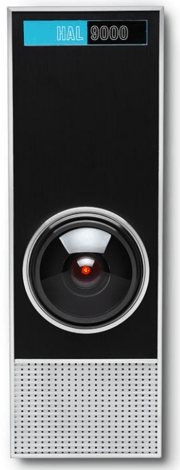
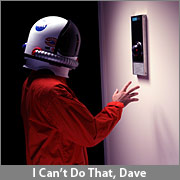
ThinkGeek has produced a handcrafted replica of HAL 9000, the (fictional) homicidal robot from 2001: A Space Odyssey. Is this a must-have gadget? Following on from Iris 9000, its Siri Voice Control module with a glowing red eye reminiscent of HAL, ThinkGeek has gone the extra mile to produce the "movie-accurate" HAL 9000 Life-Size Replica. It would be more accurate to call it a HAL 9000 sensor replica but who would want a huge mainframe - having a wall mounted HAL with a red LED eye seems much more attractive.
This new gadget has a price tag of $499.99 so what can you expect? It is based on the 1967 blueprints and studio files from the 1968 movie 2001: A Space Odyssey and is In terms of functionality HAL 9000 not only talks, producing one of 15 movie quotes at random, it also responds to your voice - say something to HAL longer than 1.2 seconds to activate a sound clip. Alternatively you can point almost any IR remote at him and press a button for a sound clip.
Which sound clips? Here are two examples:
And of course it sings the Daisy, Daisy song.
See the video to get a clearer idea of this highly-prized gadget:
My only remaining problem is working out a justification for buying one for the office.
More InformationThinkGeek - HAL 9000 Life-Size Replica Related ArticlesWhat do you get when you add HAL to SIRI? HAL 9000 - a fictional computer
To be informed about new articles on I Programmer, install the I Programmer Toolbar, subscribe to the RSS feed, follow us on, Twitter, Facebook, Google+ or Linkedin, or sign up for our weekly newsletter.
Comments
or email your comment to: comments@i-programmer.info

|
| Last Updated ( Sunday, 13 January 2013 ) |