| IBM inventors patent earthquake detection system |
| Thursday, 28 October 2010 | |||
|
It is a truism that computer disk drives are sensitive to shaking. Two IBM inventors who used this fact to provide a way to collect earthquake information using vibration sensors installed into computers have just been awarded a patent for their idea. 
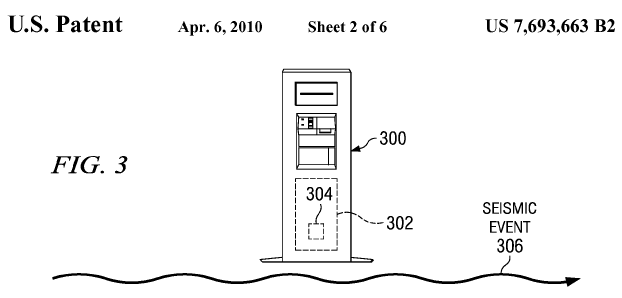
Robert Friedlander and James Kraemer's patent has an impressive title "System and method for detection of earthquakes and tsunamis, and hierarchical analysis, threat classification, and interface to warning systems" and it's an ingenious way to use technology provided for one purpose to be used for another. Their invention uses data generated by vibration sensors (known as MEMS accelerometers) already fitted in computer hard disk drives to quickly analyze and assess information generated by seismic events. This technique transmits the hard drive sensor data to a data processing center where it can be analyzed in real time and the results passed to the emergency services who are responding to, say, an earthquake.
While the system cannot predict an earthquake, only detect one that has occurred, it can predict the arrival of a tsunami triggered by the earthquake and thus has the potential to save lives. It can also help save lives by focusing rescue efforts where they are most needed. Deaths from earthquakes are through the collapse of buildings and other structures. Buildings like schools, colleges and office buildings typically contain a lot of networked computers. Friedlander and Kraemer's patent extends to incorporating information about building characteristics and type of terrain, both key factors in determining the degree of damage likely to result from a seismic event of a given magnitude.
You can listen to Bob Friedlander explaininng how his invention can help in post-eathquake resuce efforts and how it is particualrly useful in parts of the world that lack seismogenic warning systems.
Related articles: Excel to KML - a VBA program - a project in which we map mircotremor data to locate faults
|
|||
| Last Updated ( Thursday, 28 October 2010 ) |